How to Understand Draw Schedules and Timing
Last updated: August 2026
Draw schedules look like a housekeeping detail and produce more avoidable problems than almost anything else in lottery. A ticket in the wrong session, a result checked against the wrong draw, or a stake placed impulsively because another session happened to be open all trace back to how schedules work. The mechanics are simple once set out.
Why the Schedule Matters
Nigerian lottery runs on fixed schedules, and tickets must be bought before each draw closes. A ticket bought after close does not enter that draw. It is applied automatically to the next scheduled draw for that game type.
This single rule causes most schedule-related confusion. The stake is not refused and no error appears. The player simply believes they are in one draw while the ticket says another, and discovers the mismatch when checking results against a session their ticket was never in.
The schedule also shapes spending. A structure offering several draws a day removes any natural stopping point, so knowing which sessions run lets you decide in advance which ones you are entering rather than reacting to whichever is open when you pass a kiosk.
How Schedules Are Structured
Most Nigerian operators, Golden Chance and Premier Lotto among them, run draws across three daily periods.
- Morning: the first of the day, usually before noon
- Afternoon: a midday or early afternoon session
- Evening: the last of the day, typically early to mid evening
Alongside these sit weekly games, such as Golden Chance Bonanza every Friday and various named weekly draws from Premier Lotto.
Exact times are published on each operator’s official site and shown at authorised agent terminals. Times change, so treat the official platform as the reference rather than any third-party summary, including this one once time has passed since it was updated.
Sale Close, and Which Draw You Are Actually In
Sales close a set number of minutes before each draw, commonly somewhere between 5 and 15 minutes, varying by operator. The cut-off is a standard integrity control preventing late entries once a draw is imminent.
If you arrive after close, your ticket goes into the next available draw for that game type. It remains perfectly valid; it is simply in a different session from the one you had in mind.
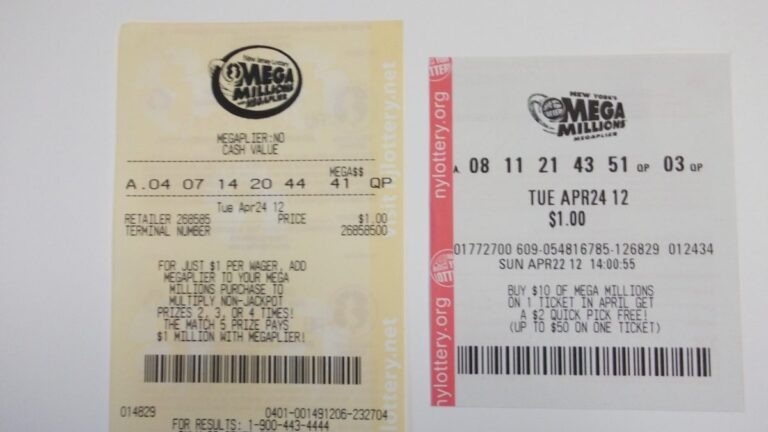
Two habits eliminate this entirely. Ask the agent which draw you are in when buying near a cut-off, and read the draw time printed on the ticket before leaving. The ticket is definitive, and checking it takes a couple of seconds.
This also matters when checking results. A ticket that rolled into a later session will not match the session you were watching, and that mismatch looks exactly like a loss.
Distributing a Budget Across Sessions
With several daily draws available, there are three common approaches.
- All on one draw: the whole daily budget on a single session. Simplest to track, and the most common pattern among agent players
- Spread across sessions: divided between morning, afternoon and evening. More results through the day, and more transactions to keep track of
- One consistent session: the same slot every day. Creates a routine with predictable tracking and a natural stopping point
It is worth being clear about what these change and what they do not. None alters the probability or expected value of any individual bet, which is fixed by the game’s mathematics regardless of when it is placed.
What they change is the shape of the experience: how often you get a result, how far engagement spreads through the day, and how much bookkeeping you carry. Choosing between them is a preference question rather than a strategy question, and the honest version of the decision is asking which one you are actually choosing and why.
One point does have a practical consequence. Spreading a budget across sessions means more separate transactions, and more transactions are harder to total accurately from memory. If you spread, keep a record, because the approach that feels most measured is also the one that most easily obscures what you spent.
Weekly and Special Draws
Weekly draws such as Bonanza and Jamboree attract additional players and may carry different payout structures or maximum stakes from the daily sessions.
The budgeting trap here is treating them as separate from regular spending. A weekly game feels like an occasional event rather than part of a habit, which makes it easy to add on top of a daily budget already set. Account for it inside the weekly figure rather than alongside it.
Using Reminders to Stay Deliberate
If you play specific draws regularly, a phone reminder 30 minutes before sale close is a practical way to keep entries intentional.
The reason this helps is worth stating. Lottery moves quickly: results are announced minutes after a draw, and the next session opens immediately. That rhythm encourages reactive staking, where a result prompts an immediate follow-up rather than a planned one. A reminder for the sessions you actually chose puts the decision back where you made it, at a calm moment rather than straight after a near miss.
Frequently Asked Questions
Where can I check schedules for several operators?
There is no single authoritative source covering every Nigerian operator, since each publishes its own. This site’s results pages carry Golden Chance draw information, and for other operators the official platform is the reference. Cross-check anything time-sensitive against the operator directly, since schedules change without much notice.
What happens if a draw is cancelled?
Stakes are typically refunded or rolled to the next draw. Cancellation is rare. If a draw you entered does not appear to have run, contact customer care to confirm the status rather than assuming the stake is lost.
Do schedules change on public holidays?
Most operators keep their regular schedule, but confirm around Christmas, New Year and Eid festivals, when times occasionally shift. A schedule change is also a common reason for an unexpected blank on a results chart.
Is there an advantage to buying just before close?
None. Purchase timing has no effect on which numbers are drawn, since the draw is generated independently of staking activity. The only practical consideration runs the other way: buying at the last moment risks missing the cut-off and being rolled into the next session without noticing.
Can I enter several sessions with one ticket?
No. Each ticket enters one specific draw, so playing morning and evening means two tickets, each settled independently against its own session’s numbers.
Play responsibly. Lottery is for entertainment. You must be 18 or older to play any Nigerian lottery game. If gambling is affecting your life, please seek help. See our guide to the signs of problem gambling and where to find support.